
FORTE CULTURA Station: UNESCO World Heritage Site Suomenlinna Fortress, Helsinki (FI)
Suomenlinna Sea Fortress - World Heritage Site on the outskirts of Helsinki
Experience the unique history of an exciting fortress
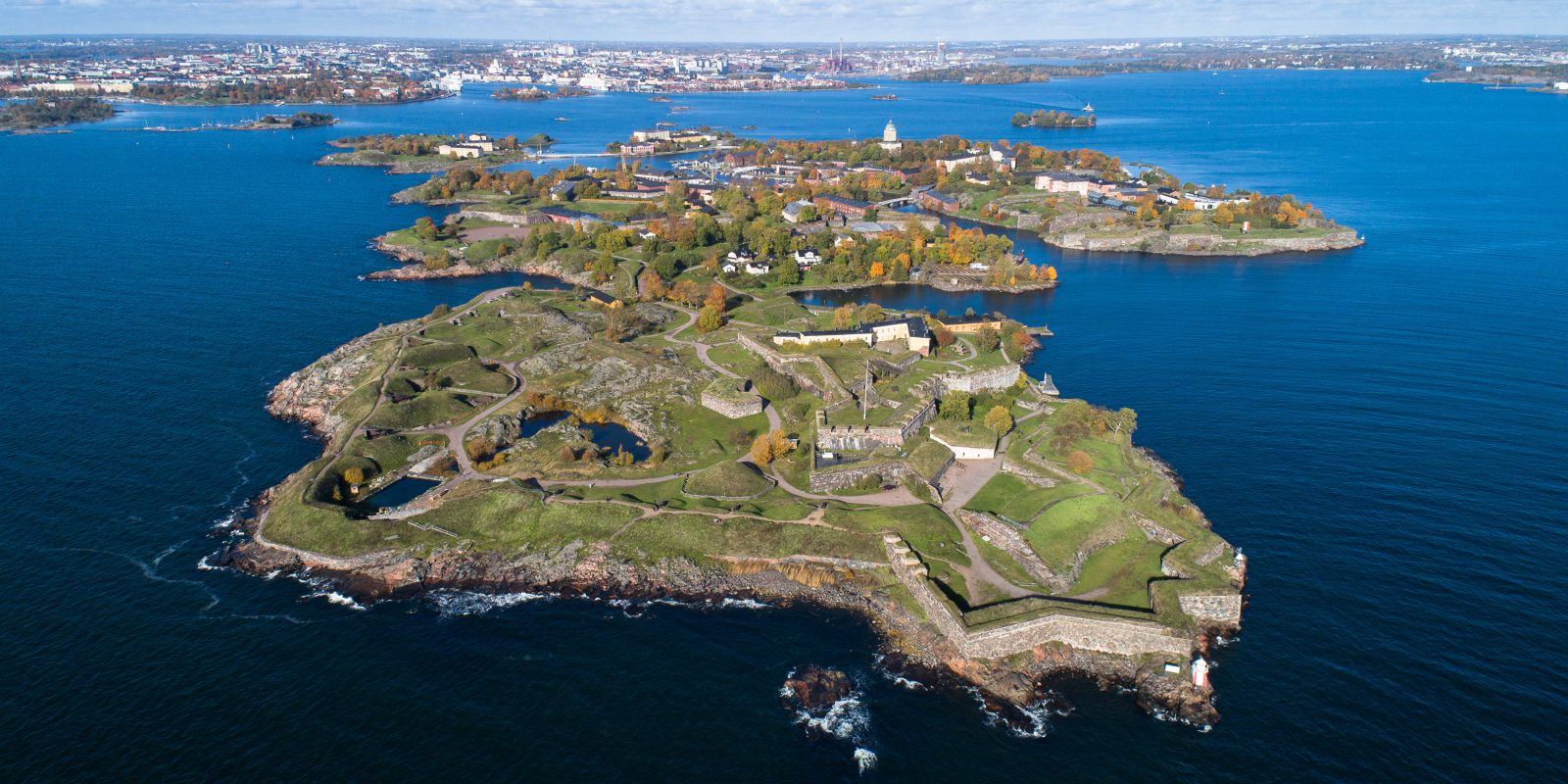
The Suomenlinna sea fortress is located on a group of islands about 20 minutes by sea from Helsinki. It is a UNESCO World Heritage Site and an outstanding example of European military architecture of its time. The irregular bastion fortress was built in the middle of the 18th century, when Finland was still part of Sweden. Due to its role in the defence of three countries - Sweden, Russia and Finland - there are exciting traces of the different eras and influences that give the sea fortress its very own character.
Discover Suomenlinna and immerse yourself in its unique history. The restored fortifications and garrison buildings now house flats, workshops, meeting and event rooms. Bastions, trenches and walls, six museums, a historic dry dock, cafés, bars and restaurants and even a prison can be found on the inhabited archipelago. Every year, a variety of cultural events of the highest calibre take place.
Suomenlinna Fortress is being developed according to the principles of sustainable tourism and will be preserved for future generations. Please follow the instructions during your visit and help us to preserve the World Heritage Site together. Official guided tours on various topics for different target groups are offered by the Ehrensvärd Society.

Get to know Suomenlinna sea fortress:

Suomenlinna is a fortress system that extends over several neighbouring islands.
The Suomenlinna tunnels
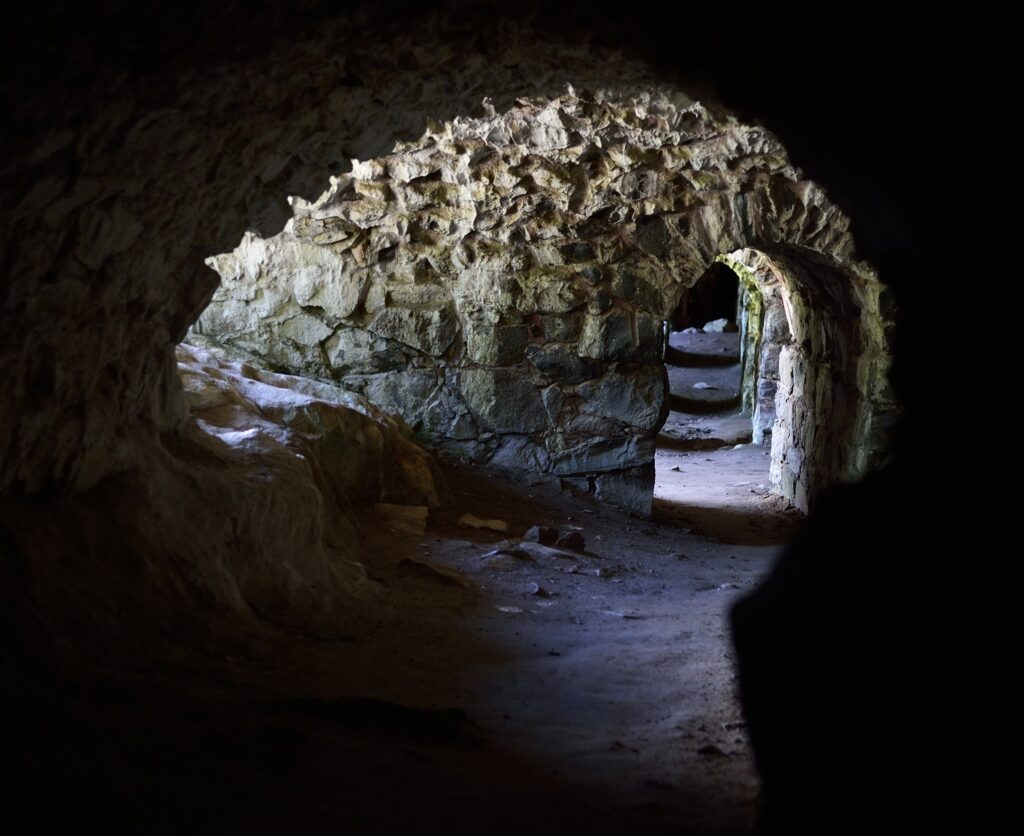
The tunnels of Suomenlinna are located within the walls and bastions of the fortress and were used by the defenders of the fortress as shelters, armouries and secret passages. The longest tunnel is located at the southern end of Kustaanmiekka - along this tunnel you can independently walk a distance of over two hundred metres, but in complete darkness. So remember to pack a torch when you leave the house. Some casemates, armouries and rooms within the walls are also open to the public. You can explore these not only on Kustaanmiekka, but also on the island of Susisaari.
Dry dock
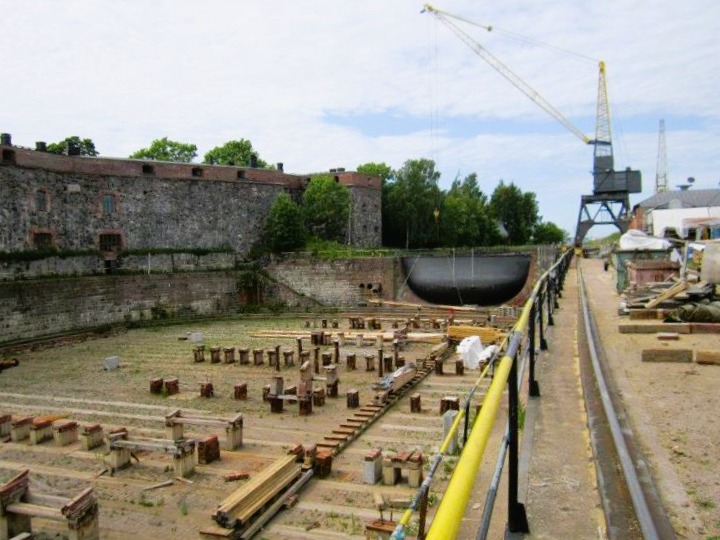
A shipyard and its own fleet were to be built in Suomenlinna to ensure the security of the Gulf of Finland against a possible Russian attack. The galley shipyard was built on Susisaari in several phases in the late 18th century according to the designs of Daniel Thunberg. The new archipelago fleet of the fortress was in turn designed by shipbuilder Fredrik Henrik af Chapman. The largest ships were named after different regions of Finland: Turunmaa, Pohjanmaa, Uudenmaa and Hämeenmaa.
In 1808, Suomenlinna had around a hundred warships and more than a hundred supply ships and boats. The shipyard was built using the best technology and expertise of the time. The shipyard's large basins were emptied in less than a week using horse-drawn pumps - a remarkable feat in the 18th century. Today, the basins are emptied in a single day using electric pumps.
In 1855, the shipyard was damaged during the bombing in the Crimean War and its second large basin had to be dismantled. At the end of the 19th century, the shipyard was restored to its former glory at the time of Finland's independence. The shipyard became known as the Admiral Essen Shipyard, named after Nikolai Essen, the commander of the Baltic Fleet during the Russian era. The shipyard soon acquired new tasks and interesting users.
Today the shipyard is run by Viaporin Telakka whose members restore and maintain traditional wooden sailing boats. The site also includes a boatbuilding workshop and a guest harbour. The shipyard basin is filled and emptied twice a year: in spring, when the ships set sail, and in autumn, when they return to the shipyard for the winter.
Great Court Yard
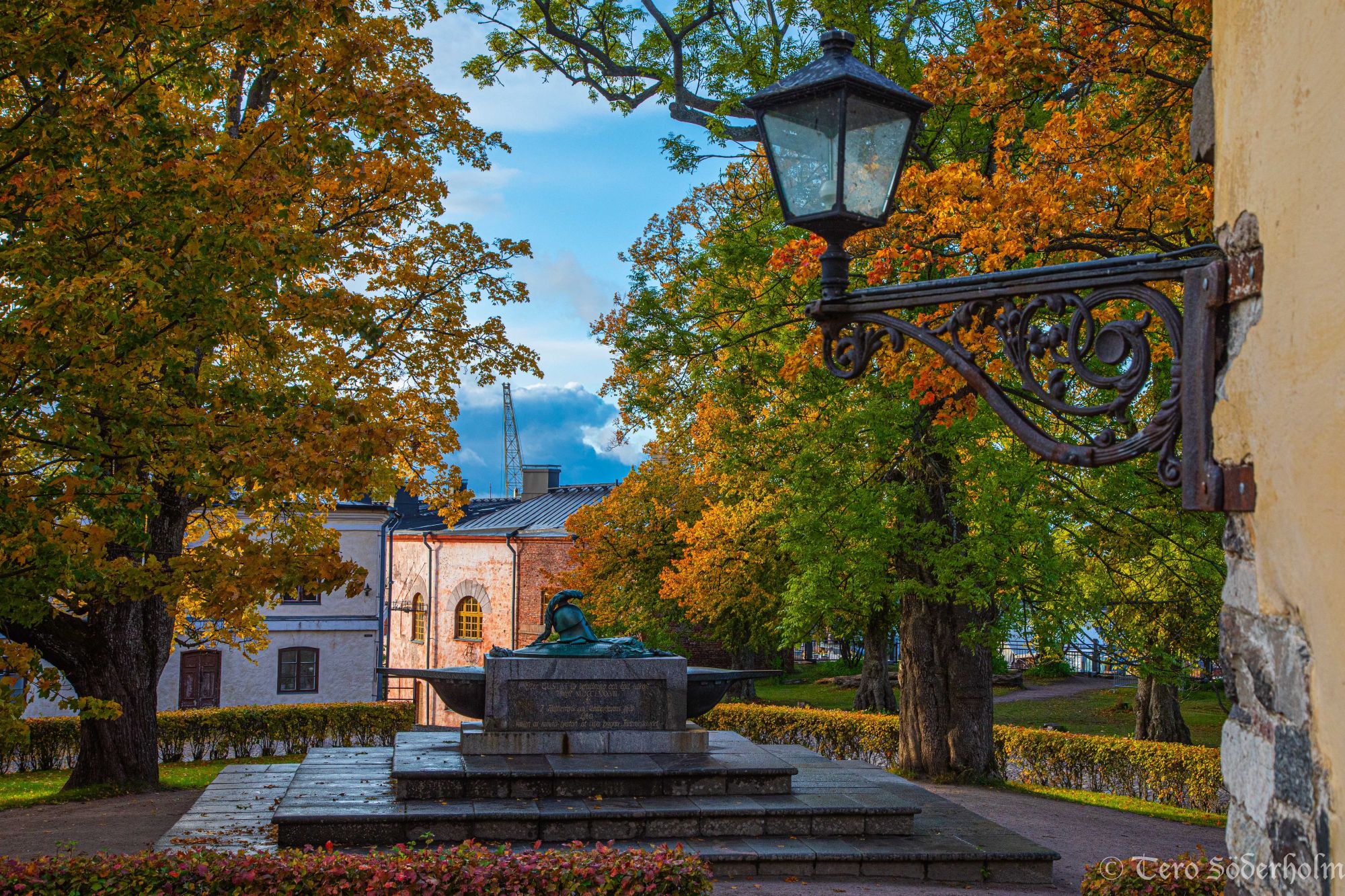
The Great Court, built in the 1760s, is the work of the founder of Suomenlinna, Augustin Ehrensvärd, and the architect Carl Hårleman. Before its partial destruction during the Crimean War in 1855, the Great Court served as a central square and administrative centre. The architectural layout was designed using a false perspective. At the southern end of the courtyard was the official residence of Augustin Ehrensvärd, which today houses the Ehrensvärd Museum. In the centre of the courtyard is Ehrensvärd's tomb, which was designed in collaboration between King Gustav III, the artist Johan Tobias Sergel and Carl August Ehrensvärd.
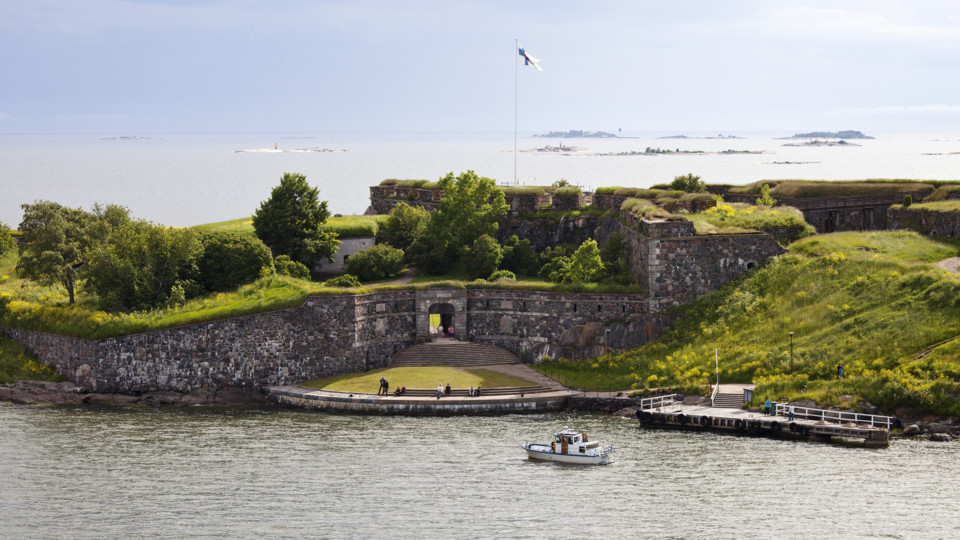
The King's Gate
The Suomenlinna Royal Gate is located at the southernmost tip of the sea fortress on the island of Kustaanmiekka. Legend has it that the gate was built on the spot where King Adolf Fredrik of Sweden moored his ship when he visited the fortress in 1752. However, the gate had already been planned in a sheltered location before the king's visit. Construction of the gate began in 1753 and lasted until 1754, using sandstone and limestone from quarries near Stockholm as building materials. During the bombing of Suomenlinna, most of the monumental stairway to the water was destroyed and it was restored four times during Finland's independence. The King's Gate is a historically significant landmark and one of the most famous sights in Suomenlinna.
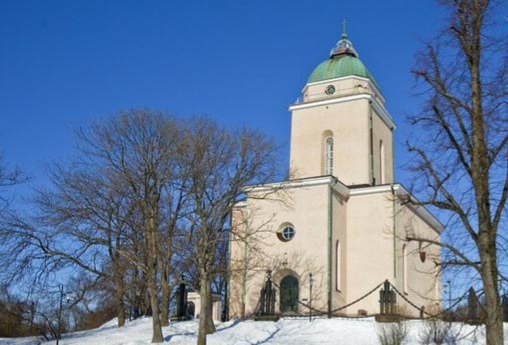
Suomenlinna Church
Suomenlinna Church in the heart of the sea fortress was originally built in 1854 as an Orthodox garrison church. After Finland gained independence, it was converted into a Lutheran church and remodelled in the neoclassical style.
Today, the church is known for its special role as a place of worship and a functioning lighthouse. With its elegant architecture and panoramic location, Suomenlinna Church is one of the fortress's most recognisable landmarks.
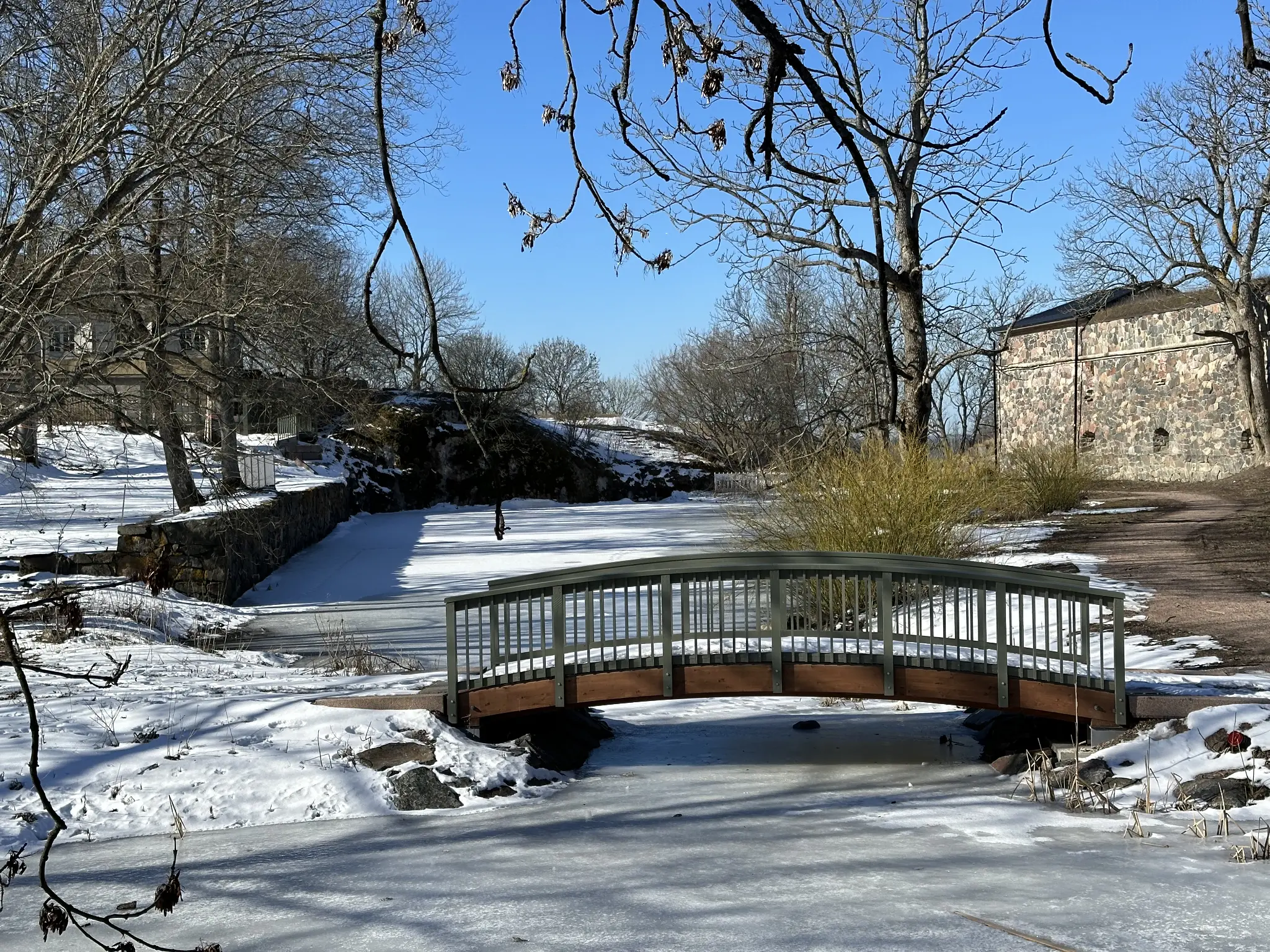
Pipers Park
Piper's Park is one of the most picturesque and peaceful places on Suomenlinna. It was created in the late 18th century as part of the fortress' landscaping and reflects the ideals of early Romantic garden planning. The park with its winding paths, old trees and views of the sea is a favourite place for walks and picnics. At its centre stands Piper's Pavilion, a charming wooden building that adds to the historic atmosphere. Today, the park remains a peaceful green oasis in the middle of the otherwise militarised surroundings of the fortress.
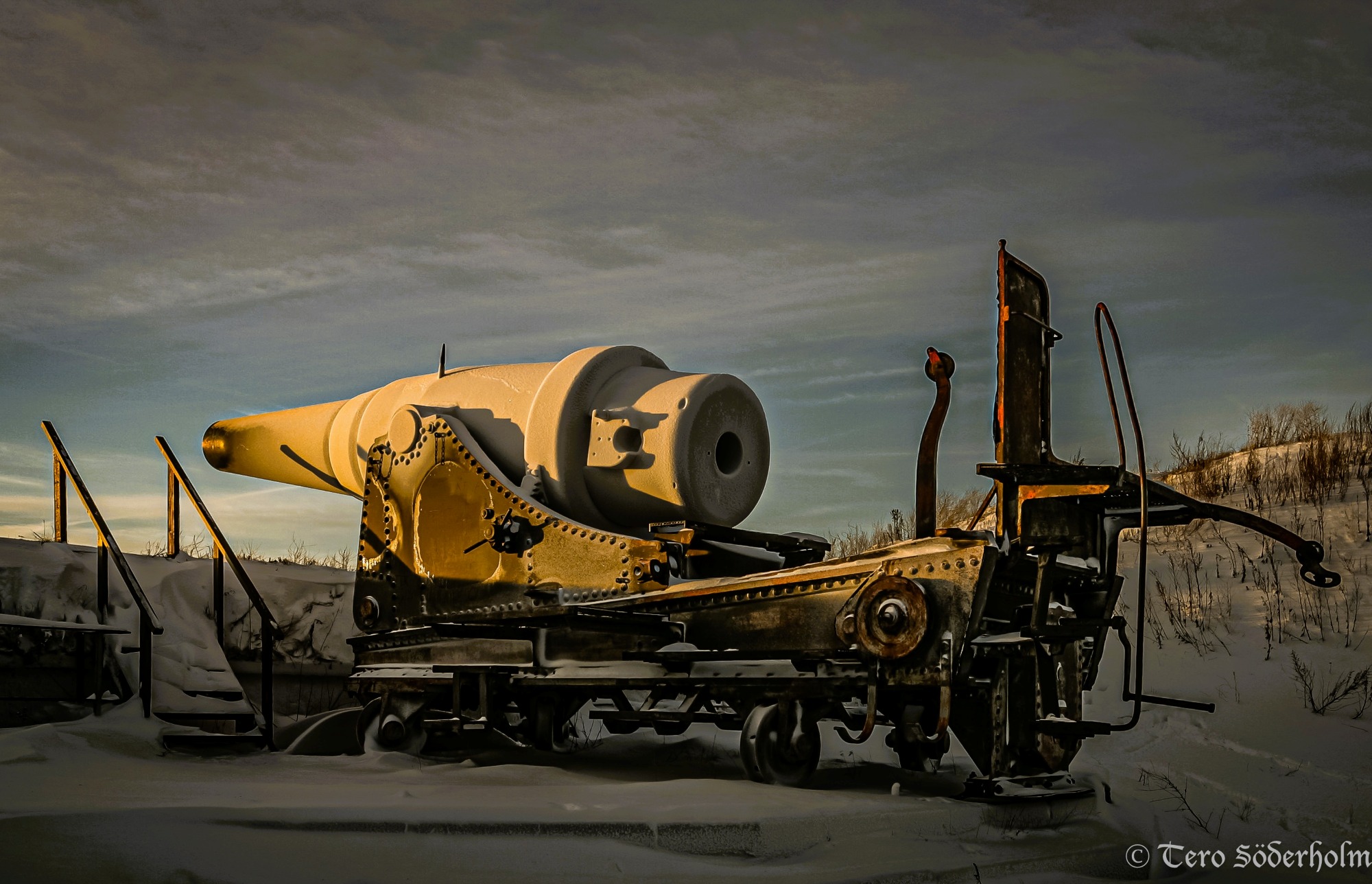
Kustaanmiekka sandbanks and artillery
When the bombardment of Suomenlinna began on 9 August 1855, the defenders of the fortress were helpless against the modern weapons of the British and French navies, as the outdated Swedish-era cannons did not have sufficient range. After the war, the Russians decided to equip the fortress with new artillery and defence technology. Extensive construction work began on Kustaanmiekka, resulting in large sand ramparts on the western and southern sides of the island. Rear-loaded and towed naval guns manufactured in Perm and St. Petersburg were installed on these ramparts.
In addition to the steel cannons from the late 19th century, you will also find cannons from the 18th century and artillery from the First and Second World Wars in Kustaanmiekka.
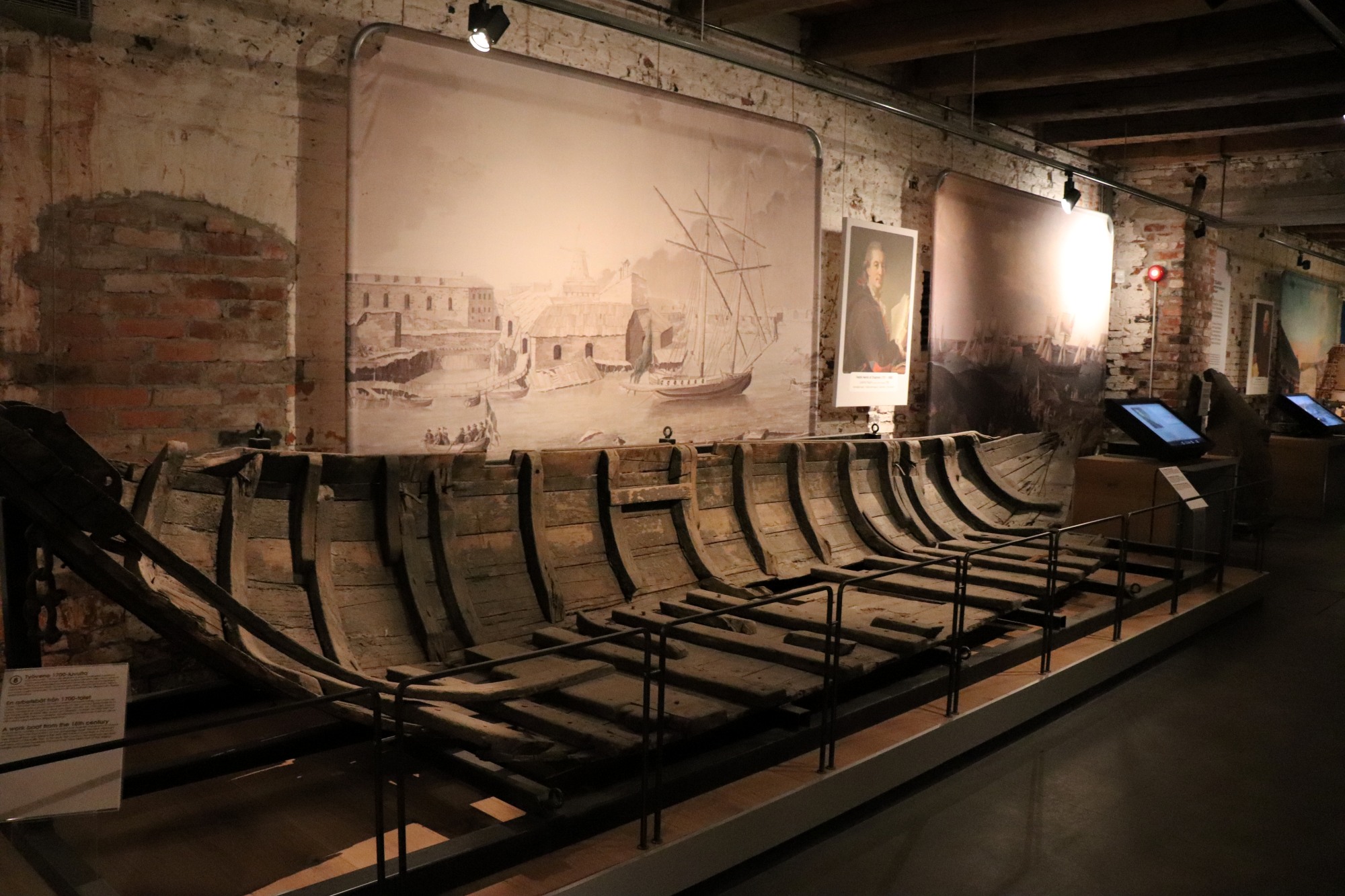
Suomenlinna Museum
The exhibition includes personal items, tools and weapons found in Suomenlinna. The museum's permanent exhibition provides a comprehensive picture of the fortress and the lives of its inhabitants in the 18th and 19th centuries.
Suomenlinna Experience - Short film
Suomenlinna, once known as the Gibraltar of the North, is one of the largest sea fortresses in the world. The short film „Suomenlinna Experience” presents the complex history of the fortress from its foundation to the present day.
The film lasts about 25 minutes. The screening starts every half hour and the last film of the day starts one hour before the museum closes.
Language options: Finnish, Swedish, English, German, French, Russian, Spanish, Chinese and Japanese.
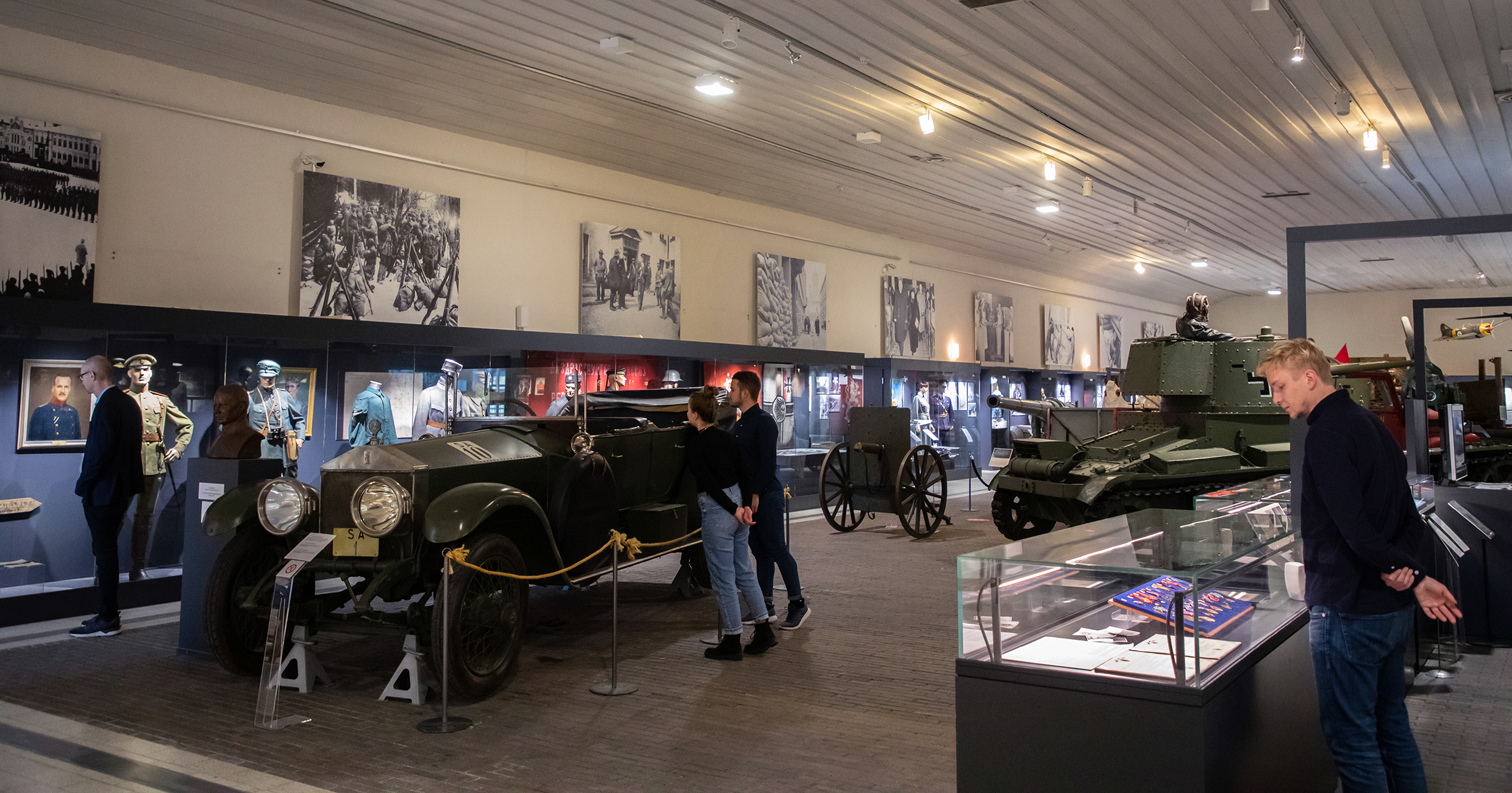
Military museum
The Military Museum preserves objects and pictures related to Finland's military and weapons history and the various phases of the defence forces.
The exhibitions at the Military Museum range from wars fought centuries ago to modern crisis management.

The Ehrensvärd Society is a non-profit organisation founded in 1921. The purpose of the society is to promote awareness of the history of Suomenlinna, a UNESCO World Heritage Site. The Ehrensvärd Society offers official guided tours on various topics for different target groups.
UNESCO World Heritage Site
Suomenlinna is one of seven UNESCO World Heritage Sites in Finland. The Suomenlinna Sea Fortress, Rauma Old Town, Petäjävesi Old Church, Verla Pulp and Cardboard Mill, Sammallahdenmäki Bronze Age Burial Site, Struve Geodesic Arch and Kvarken Archipelago constitute cultural or natural heritage of outstanding universal value. The list of intangible cultural heritage includes four Finnish elements: Finnish sauna culture, the Kaustinen fiddle tradition, the traditional Nordic boat-building technique of clinker construction and the knowledge, skills and techniques associated with handmade glass.
Suomenlinna is managed, restored and maintained by the Suomenlinna Board of Directors under the direction of the Ministry of Education and Culture.
Guided tours follow well-planned routes to ensure that the sensitive cultural environment is not affected. If you follow the Suomenlinna Blue Route, you can also explore the fortress yourself in a responsible way. The Blue Route runs through the fortress from north to south. The route starts at the main pier in front of the pink Jetty Barracks and the Visitor Centre and ends at the King's Gate. The route is approximately 1.5 kilometres long and is marked with blue signs on signposts and a blue line on maps.
Along the Blue Route you will also find interesting additional information about the fortress. There are information boards in the Russian Merchants' Quarter, Church Park, the Great Courtyard, the dry dock viewing platform, Piper's Park and Kustaanmiekka, the southernmost part of the fortress. Most of Suomenlinna's facilities, such as museums, cafés and restaurants, are easy to find if you follow the Blue Route.
A somewhat easier route runs parallel to the Blue Route.
The sustainable tourism strategy guides Suomenlinna's conservation work. Through jointly agreed practices, we promote the protection of Suomenlinna and act responsibly. Together we promote sustainable tourism, by...
- support the preservation of valuable features of the sites and promote their protection
- minimise the impact on the environment
- Strengthen local aspects
- Promote the use of the sites to improve health and well-being
- Promote growth and job creation in the local economy
- Communicating the values and achievements of the location together
| Guided hike on Suomenlinna The tour takes you through the famous fortress and offers interesting insights into the history of Finland and Northern Europe. |
| The sunken history - mobile tour Discover how the Suomenlinna sea fortress developed into a centre of warfare, maritime life and shipbuilding. |
| Digital tour of the Suomenlinna Sea Fortress in over 20 languages Download the app on your smartphone and get to know the Suomenlinna Sea Fortress! |
| School trips Visit the beautiful surroundings of Suomenlinna and explore the fortress and its sights. Our programmes for children offer a fun and lively introduction to Suomenlinna, a UNESCO World Heritage Site. |
| Guided tours for groups In addition to guided tours, we offer various themed tours. All our guides are authorised Suomenlinna guides, e.g. „Cannons and tunnels of Suomenlinna“, „Secrets of Suomenlinna“ or „Guided tour of Lonna Island“. |
| Shops and cafés Café Piper: The idyllic summer café with the best view of Suomenlinna has been welcoming visitors since 1928! Café Augustin: The café in the centre of Suomenlinna offers visitors a moment of peace and relaxation during their visit to the island. |
History of the Suomenlinna Sea Fortress
Suomenlinna - Over 270 years off the coast of Helsinki
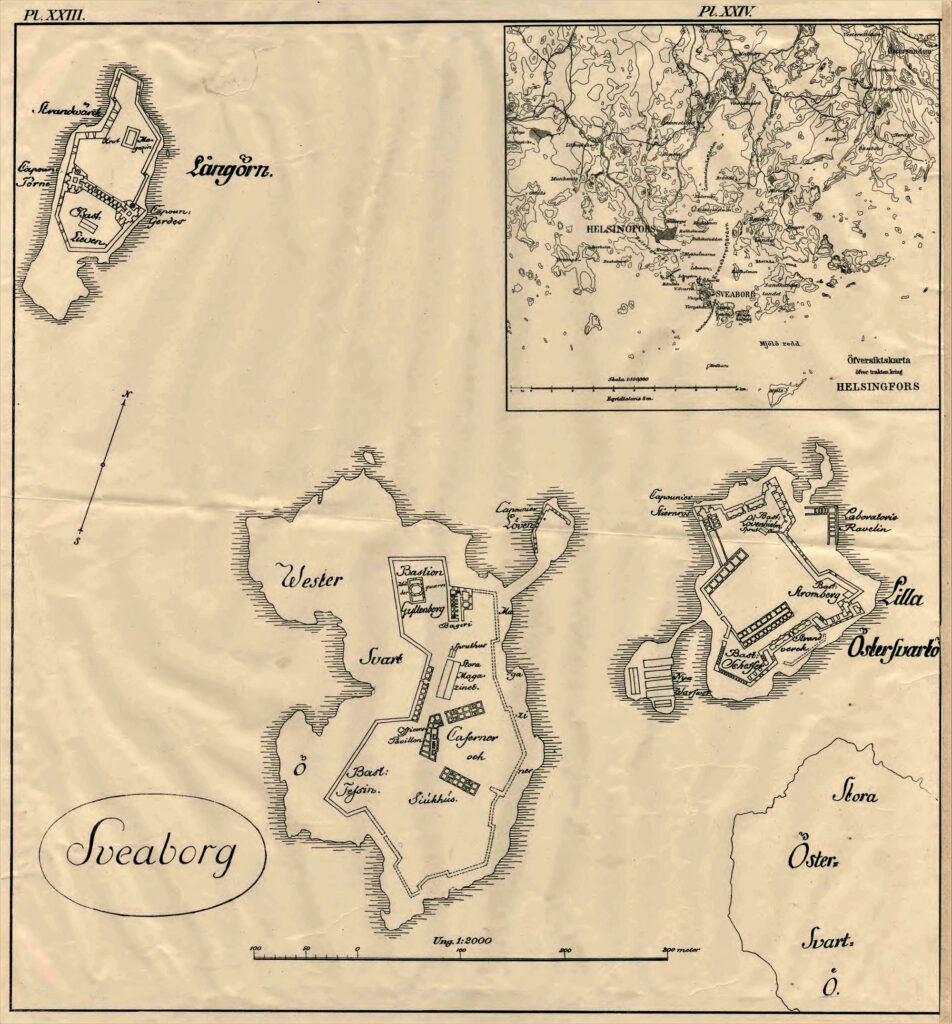
The history of Suomenlinna is closely linked to the history of Finland. Suomenlinna is one of the largest sea fortresses in the world and is located about one kilometre off the coast of Helsinki. Suomenlinna was originally a bastion fortress built on an archipelago. It consisted of four closed fortifications, each on its own island, supplemented by open fortifications on two other islands. Within its walls was a garrison town with barracks and residential buildings as well as a naval base with dry docks and storage facilities.
Until 1808, Suomenlinna was a fortress built by Sweden to defend the whole of Finland and was also a powerful naval base. Today, Suomenlinna is one of Finland's most important sights, a popular recreational area and a residential neighbourhood with around 850 inhabitants.
The foundation of Suomenlinna
At the beginning of the 18th century, the Kingdom of Sweden lost all of its eastern border provinces and fortresses in two wars. To prevent the loss of the whole of Finland, the Diet decided to build a central fortress to protect the eastern part of the kingdom. Construction began in 1748 under the direction of Augustin Ehrensvärd. A few years later, the fortress was given its original name Sveaborg, which, in linguistic usage, quickly became Viapori changed.
Over the course of forty years, soldiers from the allotment system built a fortress off the coast of Helsinki, the total length of which was around 8 kilometres. Viapori became the largest fortress in the Swedish Empire.
The Russian era in Suomenlinna
Suomenlinna was conquered during the Finnish War in 1808 after a siege lasting several weeks. It then remained a Russian fortress for 110 years. Large barracks and hospitals were built for the garrison, but the Russian Empire no longer considered it necessary to reinforce the fortress itself. For this reason, an Anglo-French fleet was able to bombard the fortress without resistance during the Crimean War in 1855, causing considerable damage. After the war, a new sea defence line with earthworks and 9- and 11-inch cannons was built. The Suomenlinna dockyard was also rebuilt after the damage caused by the bombardment.
Suomenlinna for the Finns
On 12 May 1918, the Finnish flag was ceremonially hoisted on Kustaanmiekka in the presence of Regent Svinhufvud and the Senate. The fortress was then given the name Suomenlinna and served as a Finnish garrison for more than fifty years. In 1973, the v s area was placed under civilian administration and managed by the v s Administrative Board. The Naval Academy still operates in Suomenlinna today.
The Ehrensvärd Society was founded in 1921 with the aim of raising awareness of Suomenlinna and its history and preserving this valuable cultural heritage. Suomenlinna is a UNESCO World Heritage Site and receives over a million visitors every year.
Fortress architecture
The 18th century: A fortress adapted to the landscape and the empire
Construction of Suomenlinna began in 1748 under Swedish rule, at a time when European fortification theory was heavily influenced by French bastion systems. However, the resulting fortress was far from a rigid geometric ideal. Instead, it adapted to the irregular shapes of the archipelago. The rocky topography determined the contours of the defence walls, and in some places steep rock faces were cut away vertically and integrated directly into the fortifications (steep embankments). The result was an asymmetrical composition adapted to the landscape rather than a symmetrical star-shaped citadel.
The leading figure in the project was the commander Augustin Ehrensvärd, who combined technical military expertise with artistic sensibility. Although Suomenlinna was first and foremost a defensive structure designed to repel attacks from the sea, it was also conceived as a representative complex. The King's Gate in Kustaanmiekka and the Great Court (Suuri linnanpiha) functioned as ceremonial and administrative centres that demonstrated the authority of the Swedish crown.
Unlike many bastion fortresses on the continent, Suomenlinna's walls were generally straight rather than angled, and their upper mouldings (cordon curves) were thickened and extended to protect the masonry from rainwater. Functionality was paramount, but aesthetics were not neglected either. Ehrensvärd drew on the principles of late Baroque, French Classicism and Rococo in his spatial compositions, particularly in the arrangement of the inner courtyards and representative façades.
The collaboration between Ehrensvärd and the Swedish court architect Carl Hårleman** characterised the early stylistic ambitions, although few of Hårleman's direct designs were implemented. Nevertheless, his drawings circulated as models and influenced local designers and officers. The planning was carried out in Suomenlinna but sent to Stockholm for royal approval, reflecting the centralised control over architecture as a political instrument.
Suomenlinna was more than a fortress: it was a functioning military town. Only about a tenth of the buildings were purely for defence. Most served both fortification and practical purposes - barracks, bakeries, breweries, hospitals, workshops and huge warehouses. The naval base required dry docks, ropeworks, sailmakers and warehouses. The complex, which was largely built by Finnish soldiers, craftsmen and some prisoners using locally quarried stone, epitomised both pragmatic engineering and imperial ambitions. At the beginning of the 19th century, it was home to thousands of inhabitants, including families of soldiers.
The 19th century: Russian rule and stylistic change
After Finland was annexed to the Russian Empire in 1809, Suomenlinna entered a new phase. Its strategic location contributed to Helsinki being chosen as the capital in 1812. The Russians regarded the fortress as largely modern and retained its defensive character by extending the artillery zones to the east and west onto the surrounding islands. Nevertheless, the architectural focus gradually shifted from grand fortification projects to maintenance and new functional buildings.
The planning was initially carried out centrally under imperial supervision in St. Petersburg. The designs were scrutinised by the engineering department of the Ministry of War. Architects favoured by the emperor, including Carl Ludwig Engel and Konstantin Ton, shaped the concept of the fortress. Engel's ambitious design from 1820 for a huge barracks complex with a church and officers' wings was never realised, but shows how Suomenlinna was intended as a monumental imperial statement.
In the mid-19th century, Empire-style architecture characterised new functional buildings such as barracks, kitchens and laboratories. In addition, imperial symbolism - in particular the double-headed eagle of the Romanovs - was prominently displayed above gates and gables. From the 1860s, there was a revival of different styles: neo-Gothic elements appeared in brick barracks and service buildings, while neo-Renaissance forms characterised the officers' clubs and residences.
Suomenlinna functioned as a densely populated garrison town with around 4,000 inhabitants, including soldiers, officers, families, merchants and prisoners. The social hierarchy was clearly visible in the spatial distribution: a small officer class occupied a disproportionately large share of the living space. Wooden houses were particularly prevalent in the merchant neighbourhoods on Iso Mustasaari, where decorative verandas and gabled facades reflected the influence of Russian folk architecture. Although stone buildings were considered ideal, wood was often used for practical reasons.
The 20th century: From fortress to national monument
In May 1918, after Finland gained independence, the fortress was renamed Suomenlinna. The fortress, which no longer had any strategic significance, was soon recognised as a historical monument. Early observers described it as neglected and dilapidated, but this decay strengthened the case for its preservation.
In 1919, the town planner Birger Brunila drew up a masterplan in which he envisaged Suomenlinna as a multifunctional area combining military, residential, industrial and cultural uses. Parts of the islands were declared museum areas and restoration work began in the 1920s and 1930s. Influenced by contemporary Nordic classicism, the restorations emphasised symmetry, clarity and „Swedishness”, sometimes removing additions from the Russian period.
After the Second World War, the fortress gradually passed from military control to civilian administration. The coastal artillery remained active until the 1970s, but cultural and residential use increased. The restoration philosophy also evolved: the massive concrete repairs of the mid-20th century gave way to conservation measures that respected historical layers and traditional materials.
The 1974 management plan defined three permanent goals: the preservation of Suomenlinna as a national and international monument, its development as a cultural and recreational area and its preservation as a vibrant residential neighbourhood. These principles still guide the measures today. In 1991, Suomenlinna was inscribed on the UNESCO World Heritage List, confirming its global significance, and on 12 May 1918, the Finnish flag was ceremoniously raised on Kustaanmiekka in the presence of Regent Svinhufvud and the Senate. The fortress was then given the name Suomenlinna and served as a Finnish garrison for more than fifty years. In 1973, the v s area was placed under civilian administration and managed by the v s Administrative Board. The Naval Academy still operates in Suomenlinna today.
The Ehrensvärd Society was founded in 1921 with the aim of raising awareness of Suomenlinna and its history and preserving this valuable cultural heritage. Suomenlinna is a UNESCO World Heritage Site and receives over a million visitors every year.


Suomenlinna has a cultural landscape that has been shaped over centuries. Human activity - especially military life - has left deep and lasting marks on the Finnish archipelago islands. It is often difficult to distinguish where nature ends and architecture begins: fortress walls rise directly out of the rock, and vegetation is gradually reclaiming the slopes of the bastions.
Originally, the vegetation was typical of the southern Finnish archipelago: juniper, mountain ash, low deciduous trees, meadow flowers and salt-tolerant coastal plants. However, the construction of the fortress fundamentally changed the landscape. Soil was moved, ramparts were built and courtyards were levelled. These interventions created new habitats - sunny slopes, sheltered courtyards and lime-rich wall joints - in which many plant species began to thrive. The open fields of the fortress still resemble traditional meadows and pastures, and their preservation today requires careful maintenance.
The military community also deliberately introduced plants. The fortress functioned as a largely self-sufficient settlement where cabbage, peas, onions and potatoes were grown. Fruit trees and ornamental shrubs were planted in the officers' gardens. Some of these cultivated plants escaped into the wild and became an integral part of the landscape. Seeds also arrived on the islands unintentionally, transported in animal feed, grain cargoes, ship ballast and building materials. As a result, species that were not native to the archipelago gained a foothold on the islands. The vegetation thus tells a story not only of defence, but also of everyday life, trade and movement in the Baltic Sea region.
An important element of the natural character of the islands is Piper Park, which was laid out as a landscape garden in the 18th century. It reflects the ideal of blending designed spaces with natural forms. Rocks, lawns, ponds and planting create an aesthetic environment that contrasts with the bastions.
Today, Suomenlinna is maintained by the Suomenlinna Board of Directors as both a World Heritage Site and a vibrant residential neighbourhood. Meadows are mowed, parks are restored and the historical layers of vegetation are carefully preserved. The aim is not to return the islands to an imaginary original state, but to preserve their unique fusion of natural and built environment.


Events at the Suomenlinna Sea Fortress
Contact us
Ehrensvärd Society
Suomenlinna B 40, 00190 Helsinki
Tel.: 9:00-15:00: +358 9 6899 9850
Mail: guidebooking@suomenlinnatours.com
Web: suomenlinnatours.com

Tourism partner
Governing Body of Suomenlinna
The Suomenlinna Management Authority restores, maintains and informs about Suomenlinna, a UNESCO World Heritage Site.
Helsinki Partner
Helsinki Partners is a city marketing and investment company committed to the sustainable growth of Helsinki, attracting investment, businesses, professionals and visitors, international sales and marketing of the city and building the international Helsinki brand.
Reveel Digital Guide
Reveel is a Finnish technology company based in Helsinki that develops digital solutions to help people better explore destinations and attractions.
Wenn du dies siehst, nachdem deine Seite vollständig geladen wurde, fehlen leafletJS-Dateien.
 Deutsch
  English (UK)
  Français
  Italiano
  Polski
  Español
  Čeština
Schreibe einen Kommentar