
FORTE CULTURA Station: Dömitz Citadel and Fortified Ideal City (DE)
Dömitz Fortress - Mecklenburg's only fortified ideal town with a citadel on the River Elbe
Experience a pentagonal bastion of the Renaissance
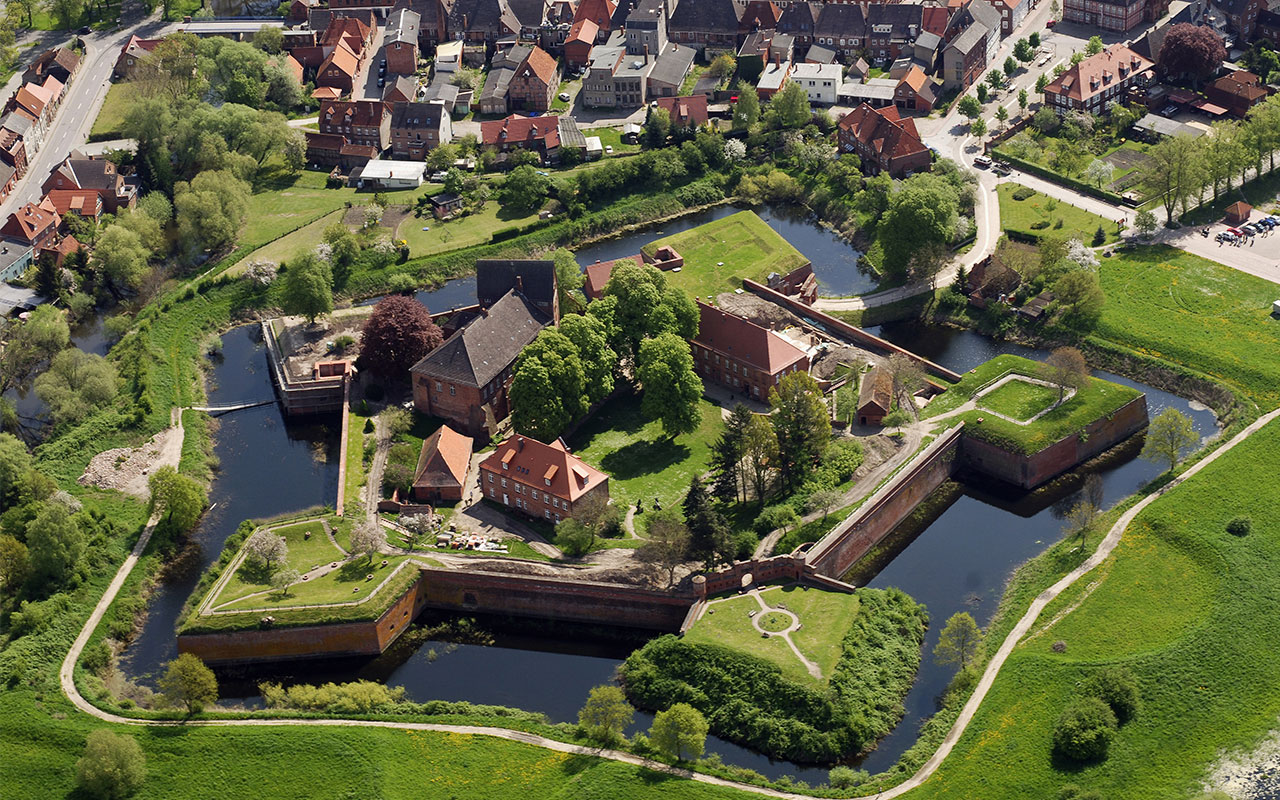
As Dömitz Fortress is the name given to the citadel of the former fortified ideal town of Dömitz. Built between 1559 and 1565, it is now the only completely preserved Renaissance fortress in northern Germany.
Discover with FORTE CULTURA the exciting history of the former border fortress on the Elbe, which later became a state penal institution and where Fritz Reuter, the most important Low German poet, spent the last year of his „Festungstid“ in 1839 - 1840. Experience a variety of events in Dömitz, such as the „North German Day“ in combination with the „Arts and Crafts Market“, the „BiosphäreElbeMarket“ or atmospheric summer concerts. From Dömitz Fortress, conquer the incomparable nature of the UNESCO Elbe River Landscape Biosphere Reserve in Mecklenburg-Western Pomerania, which is presented in the fortress with an information centre and exhibitions.

Learn the Dömitz Fortress on the Elbe know:

Dömitz was a fortified ideal city with Citadel.
Dömitz Citadel
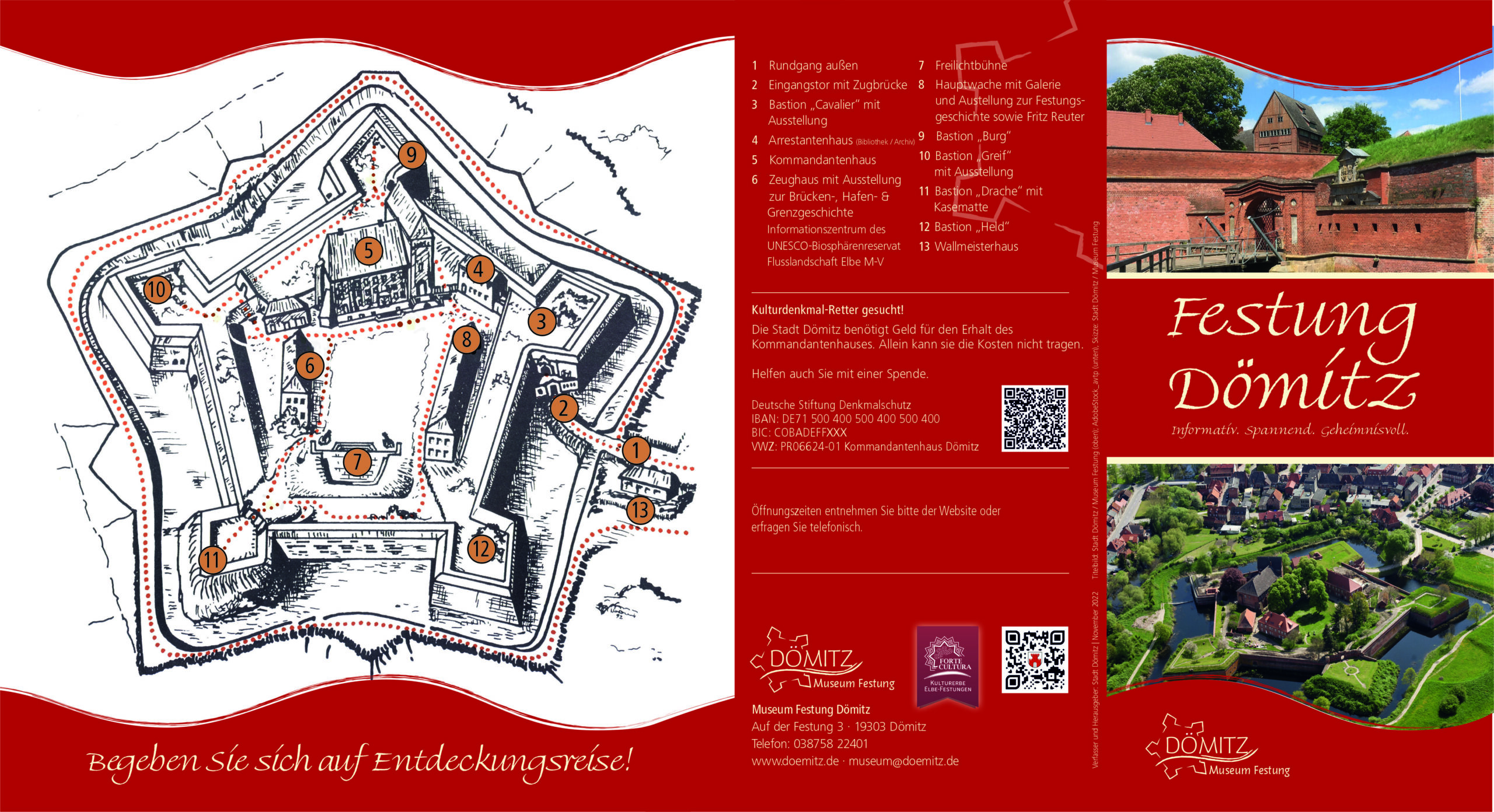
The citadel is a masterpiece of so-called old Italian style and has a regular pentagon as its basic shape. At each corner there is a bastion armed with cannons: cavalier, hero, dragon, griffin and castle. There are impassable walls between the bastions, and a surrounding moat with a rampart in front of it provides additional protection.
The main route into the fortress led through the impressive sandstone gate. Before that, however, the moat had to be crossed via an angled wooden bridge and a drawbridge in front of it. Elaborately reconstructed, it is now functional again and one of the citadel's main attractions.
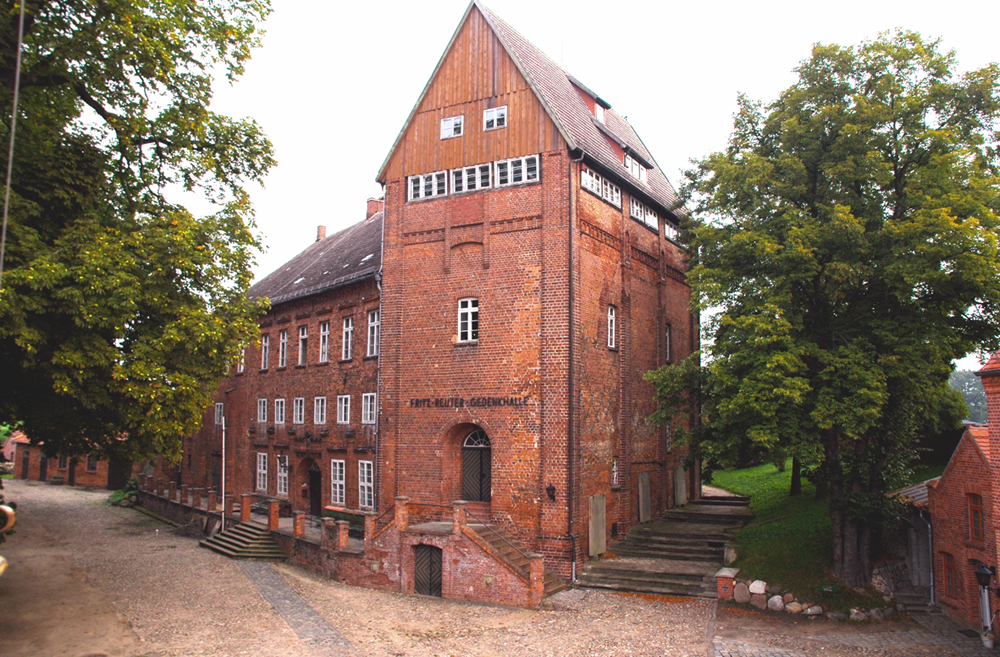
Commandant's House in the Dömitz Citadel
The Commandant's House is the largest and tallest building in the fortress. The striking building still contains parts of a medieval castle, on whose foundations the Renaissance fortress of Dömitz was built.
Originally used as a princely castle, it later served as the seat of the fortress commanders. After the garrison left, it was used for civilian purposes. From 1936 to 1942, the Reich Labour Service used it as living quarters. At the end of the war, in May 1945, the house provided accommodation for displaced persons and refugees.
In 1953, the local history museum of the town of Dömitz was established here, which is now the Dömitz Fortress Museum.
The Commandant's House is currently not accessible for building security reasons. Part of the exhibition can be viewed in other areas of the fortress.
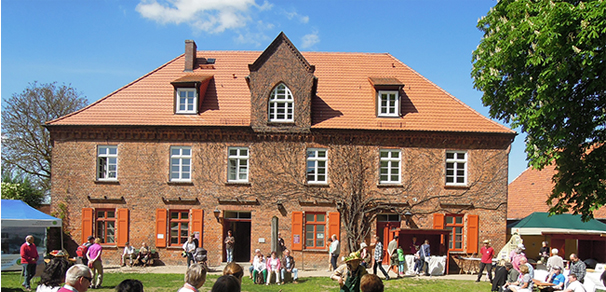
Armoury in the Dömitz Citadel
The former armoury of the fortress now houses the permanent UNESCO biosphere reserve exhibition „Man and Biosphere - yesterday, today, tomorrow“ as well as other temporary special exhibitions on the subject.
The upper floor houses museum exhibitions on the Dömitzer Elbbrücken and Elbe shipping.
The registry office offers marriage ceremonies in the romantic wedding room of the armoury.
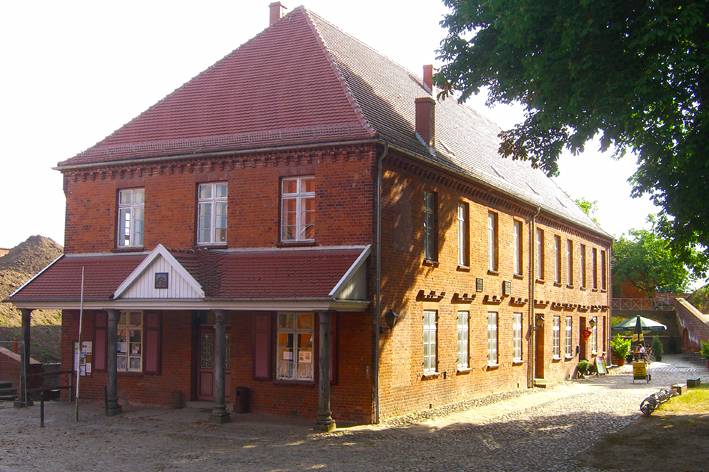
Casemated bastions in the Dömitz citadel
The mighty, fortified five bastions of Dömitz Fortress have been preserved. The casemates of the Dragon and Castle bastions can be visited on guided tours. The Cavalier bastion has an information exhibition. The Greif bastion shows the multimedia exhibition „Im Grunde“ ("At the bottom") of the UNESCO biosphere reserve.
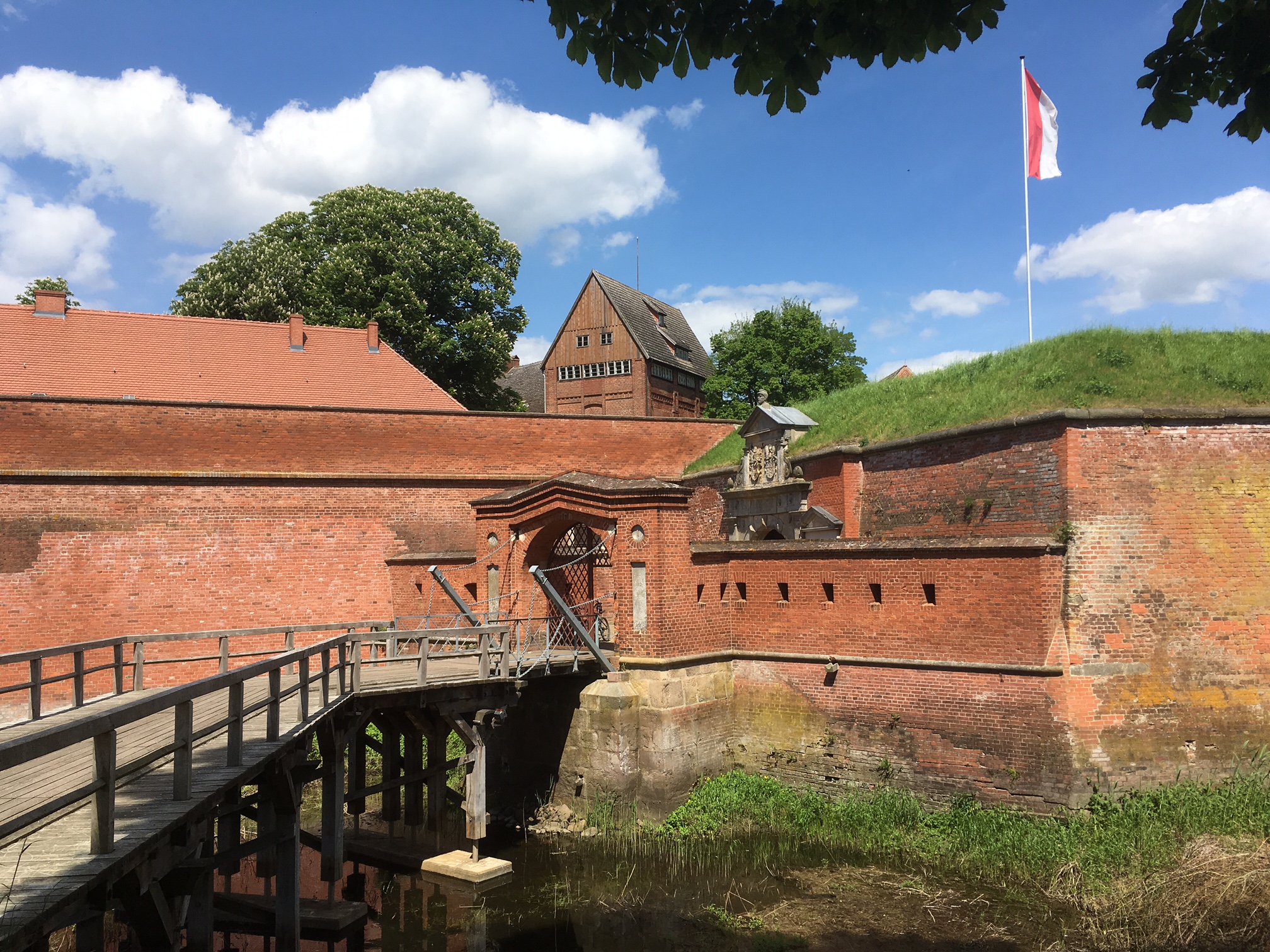
Drawbridge system (Peace Gate) to the Dömitz Citadel
The historical Drawbridge system leads over the moat through the sandstone gate (often referred to as the main gate or peace gate) directly into the interior of the Dömitz Citadel. It is considered one of the special architectural and tourist attractions of the entire fortress complex.
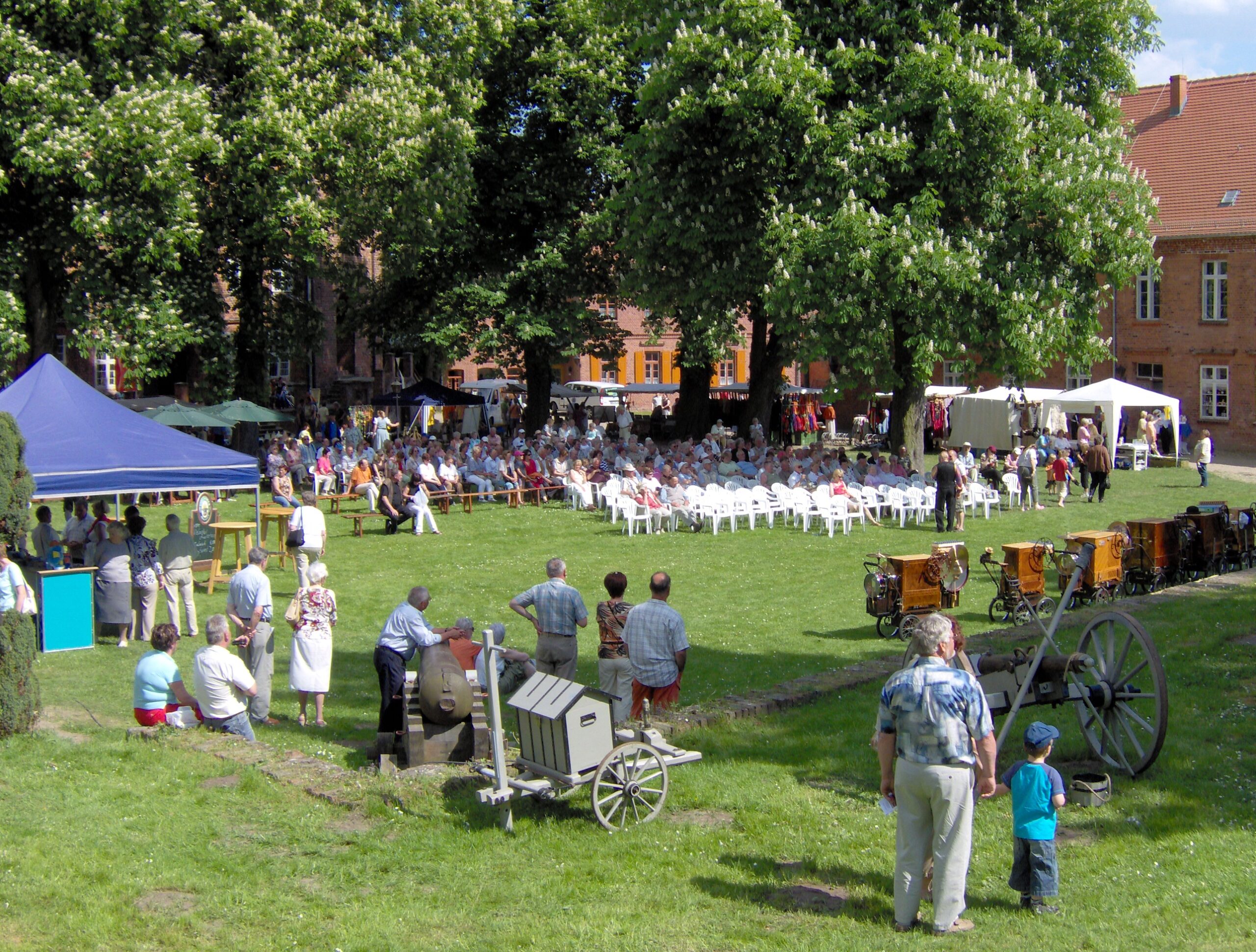
Citadel courtyard with functional buildings and open-air theatre
The fortress courtyard in the centre of the citadel, with its special ambience and open-air stage, is now the venue for a wide range of cultural events. These range from the „BiosphereElbeMarket“ and the „North German Day“ with arts and crafts market, children's festivals, concerts of various genres and operas.
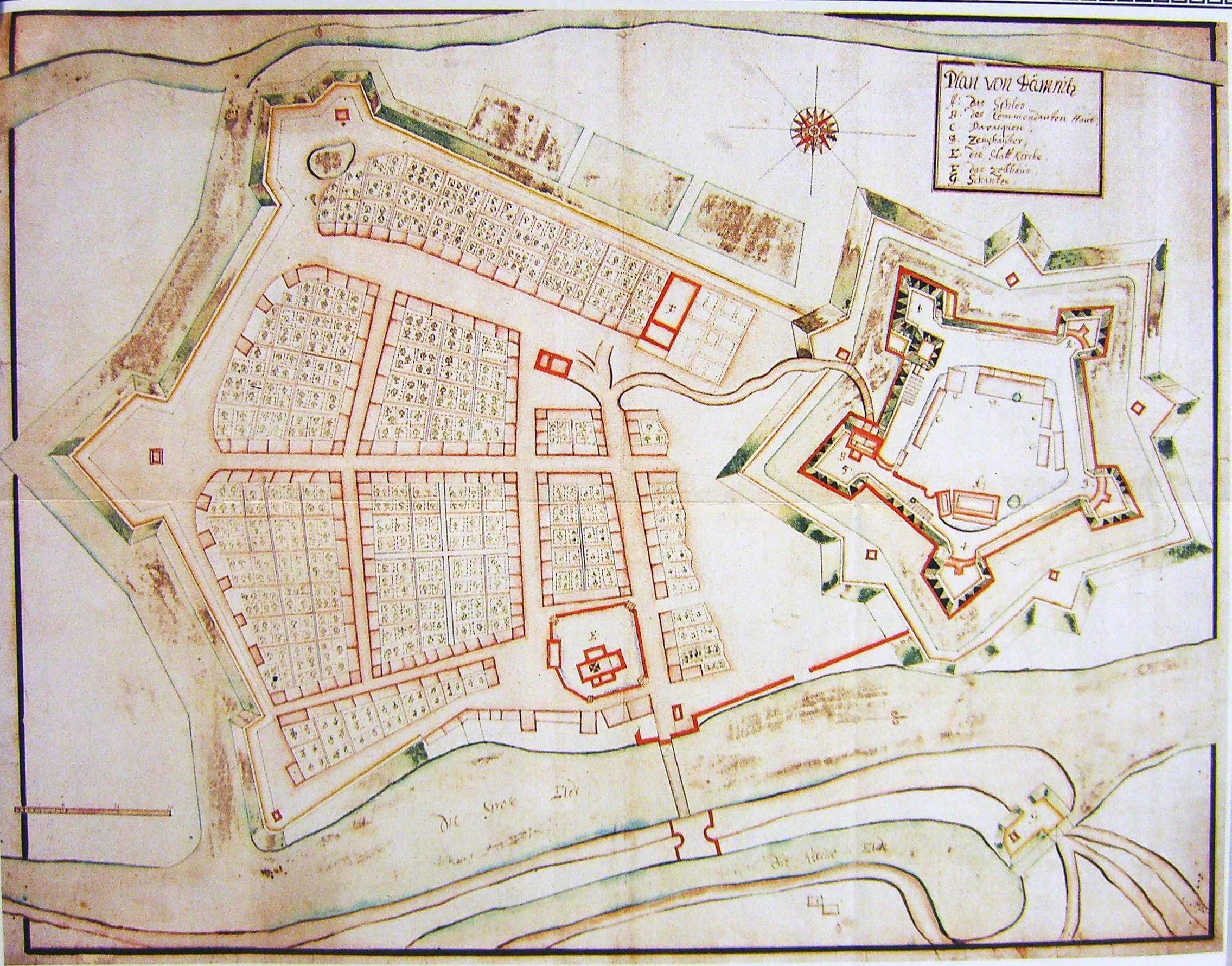
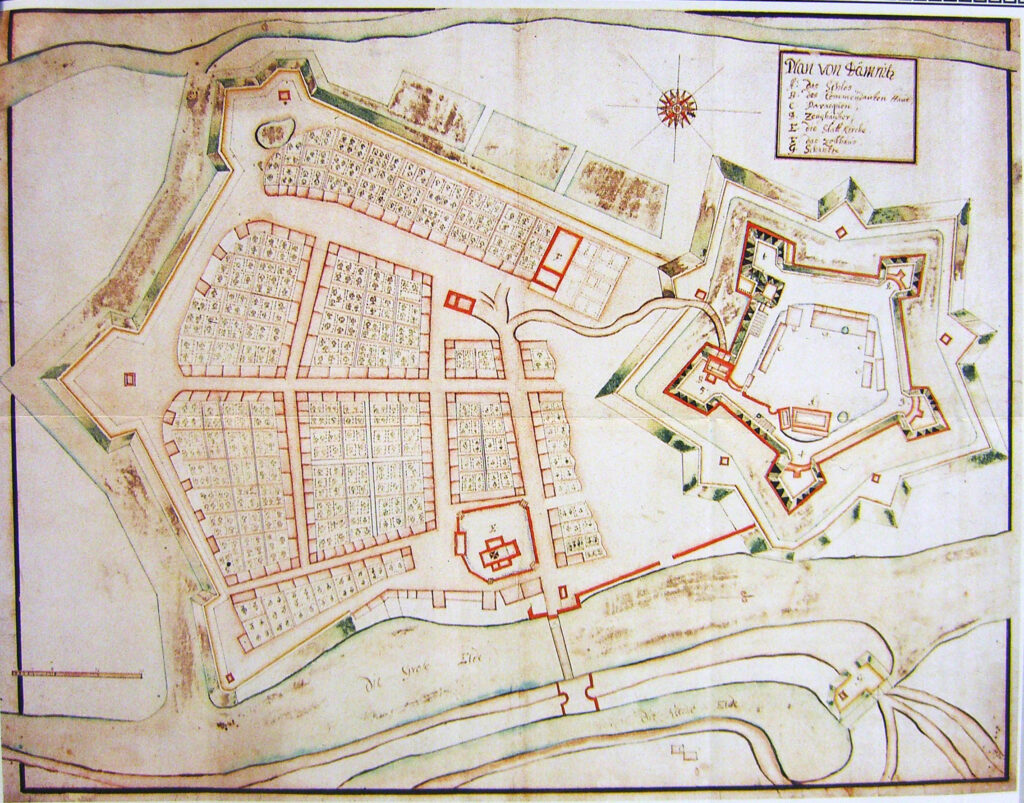
Fortified ideal town of Dömitz
The planning and construction of complete fortified cities with a strictly geometric layout was one of the most extraordinary achievements of military strategists between the 16th and 18th centuries. The regular ideal city geometries already known to the Greeks and frequently practised by the Romans were developed into highly effective city fortresses with the modern bastion systems. The ideal fortress city combined the military with all the necessary civilian trades and services in the most effective way. Straight streets convey the harmony of the overall structure. Its striking visual axes, stylish silhouettes and often well-preserved defences are still an impressive work of art today. These marvellously even complexes with their extraordinary townscape are literally the „stars“ of fortress architecture today.
Dömitz still impressively displays this original structure with a citadel. This makes Dömitz a „fortified ideal city“ a total work of art in fortress construction. Among the fortresses on the Elbe are also Terezin and Josefov (CZ) is one of the masterpieces of this impressive fortress category.
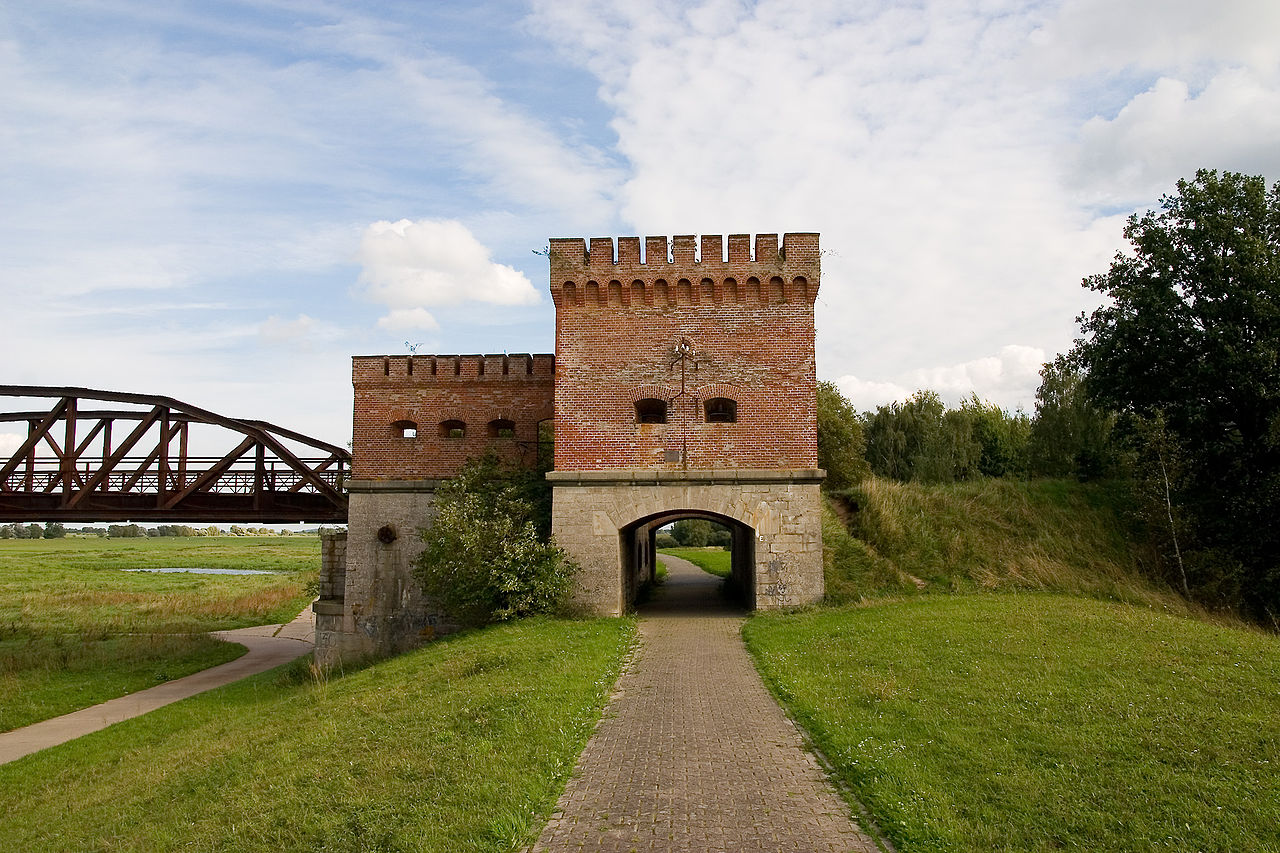
Fortified bridgehead of the Dömitz railway bridge
The fortified bridge house protected the second longest railway bridge in Germany when it was built (1870 - 1873). It originally measured 1050 metres. Under the tower with battlements and embrasures are casemated vaults through which the Elbe cycle path passes.
A total of 16 deserted foreland bridge arches and their fortified bridgehead on the western bank of the Elbe are now an industrial monument reminiscent of glorious railway times, the destruction in 1945 and the inner-German border demarcation that prevented reconstruction.
The western bridgehead was renovated in 2018. A skywalk is to be created here in future and will allow visitors to experience the UNESCO Elbe River Landscape Biosphere Reserve in Mecklenburg-Vorpommern from a new perspective.
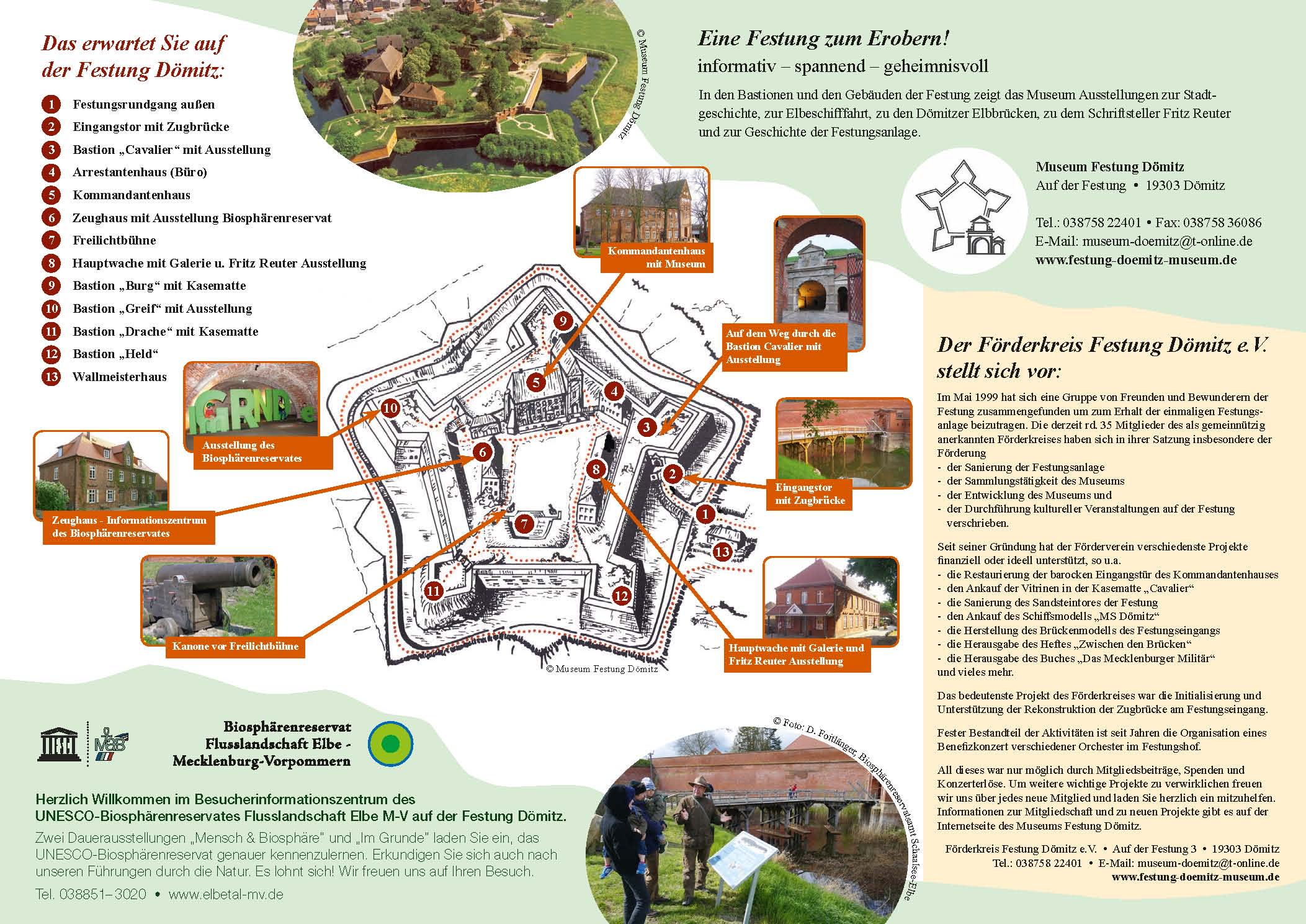
Counter-scarp around the citadel, ramparts and moat complex
A 20-minute walk leads around the entire perimeter of the historic fortress on the Kontereskarpe. It offers an ideal view of the fortress, its ramparts and moats and the biosphere reserve in which the lowland fortress is located.
Dömitz fortress tours
As part of a guided tour of the fortress, you will learn about the exciting history of the former border fortress, which later became a state penal institution and where the famous Low German writer Fritz Reuter spent the last year of his „Festungstid“. You will explore the complex both above and below ground.
Guided tours and nature trails UNESCO Biosphere Reserve River Landscape ELBE-Mecklenburg Western Pomerania
Discover the UNESCO Elbe River Landscape Biosphere Reserve in Mecklenburg-Western Pomerania with your children's group or school class!
Our age-appropriate educational programmes combine the experience of nature, exciting habitats and climate and resource protection. Whether excursion, thematic introduction or project lessons - we promote sustainable learning in and with nature.

In an interesting and entertaining way, you will learn interesting facts about the Elbe region of Dömitz and Griese Gegend, about the impressive natural landscapes, about imposing cultural and industrial monuments.
History of Dömitz Fortress
The city's oldest and most characteristic building is the imposing lowland fortress. It is the only completely preserved pentagonal Renaissance fortress in northern Germany. The fortress was built under Duke Johann Albrecht I in the years 1559-1565 and was for a long time a strong military point for securing the Mecklenburg state border. In the 18th century, the fortress was used as a cane and madhouse and later as a state penal institution. The most important Low German poet, Fritz Reuter, spent the last year of his „Festungstid“ (1839-1840) at Dömitz Fortress. Reuter's literary work certainly contributed to the town's fame far beyond the borders of Mecklenburg. The fortress has been used for civilian purposes since 1895. In 1953, a museum on the history of the town and fortress was established in the former commandant's house, and in 1958 a Fritz Reuter memorial hall was opened in the former fortress chapel. Today, the fortress is an interesting excursion destination for several thousand tourists every year.
Architecture
The pentagonal lowland fortress of Dömitz was built between 1559 and 1565 under Duke Johann Albrecht I of Mecklenburg with five bastions and casemates. He employed Italian craftsmen for his Renaissance fortress under the direction of fortress engineer Francesco a Borno from Brescia. The commander's house, which was initially used as a castle, still shows parts of the former medieval fortress today. Other preserved buildings around the fortress courtyard are the main guardhouse, armoury, arrestant's house, commandant's quarters and blockhouse. A path leads around the entire fortress complex on the Kontereskarpe and offers a view of the ramparts and moats. Also noteworthy is the restored drawbridge system, whose function is regularly demonstrated during guard changes. The historic sandstone gate, which has also been extensively restored, is decorated with the coats of arms of Mecklenburg and Brandenburg in honour of the ducal wife Anna Sophie of Prussia. The bastions with the names Cavalier, Castle, Griffin, Dragon and Hero have also been preserved and can be visited as exhibition rooms and on guided tours.


Fortified ideal town of Dömitz
In addition to the pentagonal fortifications that functioned as a citadel, today's old town was also fortified. The historic cityscape is still essentially organised in the planned structures of a fortified ideal city. It follows the star of the fortress like the tail of a comet. Individual buildings in the town still display typical features of the „architetura militaris“.
The Dömitz railway bridge, which was built later, was secured at both ends by fortified bridge houses. Partially destroyed during the Second World War, the ruined bridge on the banks of the Elbe in Lower Saxony is now an important industrial monument. The bridgehead, which has been preserved and repaired, is located directly on the Elbe cycle path.
The Renaissance fortress and the former fortified ideal town of Dömitz are embedded in an exciting, still largely natural river landscape. The Elbe landscape here is a breeding ground for over 150 bird species and is also home to numerous waterfowl in winter. Ornithologists, biologists and the rangers of the UNESCO biosphere reserve guide guests to the most interesting observation sites all year round as part of the event programme.
UNESCO Elbe River Landscape Biosphere Reserve Mecklenburg-Western Pomerania
The „Man and Biosphere“ exhibition is located in the former armoury of the fortress. Over an area of around 100 square metres, visitors can learn about the objectives of biosphere reserves, how they work and what the transnational UNESCO biosphere reserve Flusslandschaft Elbe M-V has to offer.
Visitors will find a multimedia exhibition for young and old in the casemates of the renovated Greif bastion: „Basically - The earth is at our feet, because we are standing on it!“ Here you can discover important facts about the foundations of our lives and our quality of life today. Further suggestions for a visit are available here: www.elbetal-mv.de.
Elbe cycle path
The Mecklenburg fortress town of Dömitz is a popular stage destination on the Elbe Cycle Route (section F) with historical and cultural highlights, surrounded by a natural paradise, the UNESCO Elbe River Landscape Biosphere Reserve in Mecklenburg-Vorpommern. The fortress offers a marvellous view over the Elbe floodplain.


Events at Dömitz Fortress
In the calendar of events of the fortress town of Dömitz you will find the best events in the town and the surrounding area. From traditional festivals and atmospheric concerts to nature experiences and family events. Be inspired and discover the diversity of our region.
Contact us
Tourist Information Dömitz
Rathausplatz 1, 19303 Dömitz
Phone: +49 (0)38758 22112
Website
Tourism partner of the ideal fortress town of Dömitz

Dömitz (Mecklenburg-Western Pomerania/D)


Cultural ribbon
fortified monuments
on the Elbe river
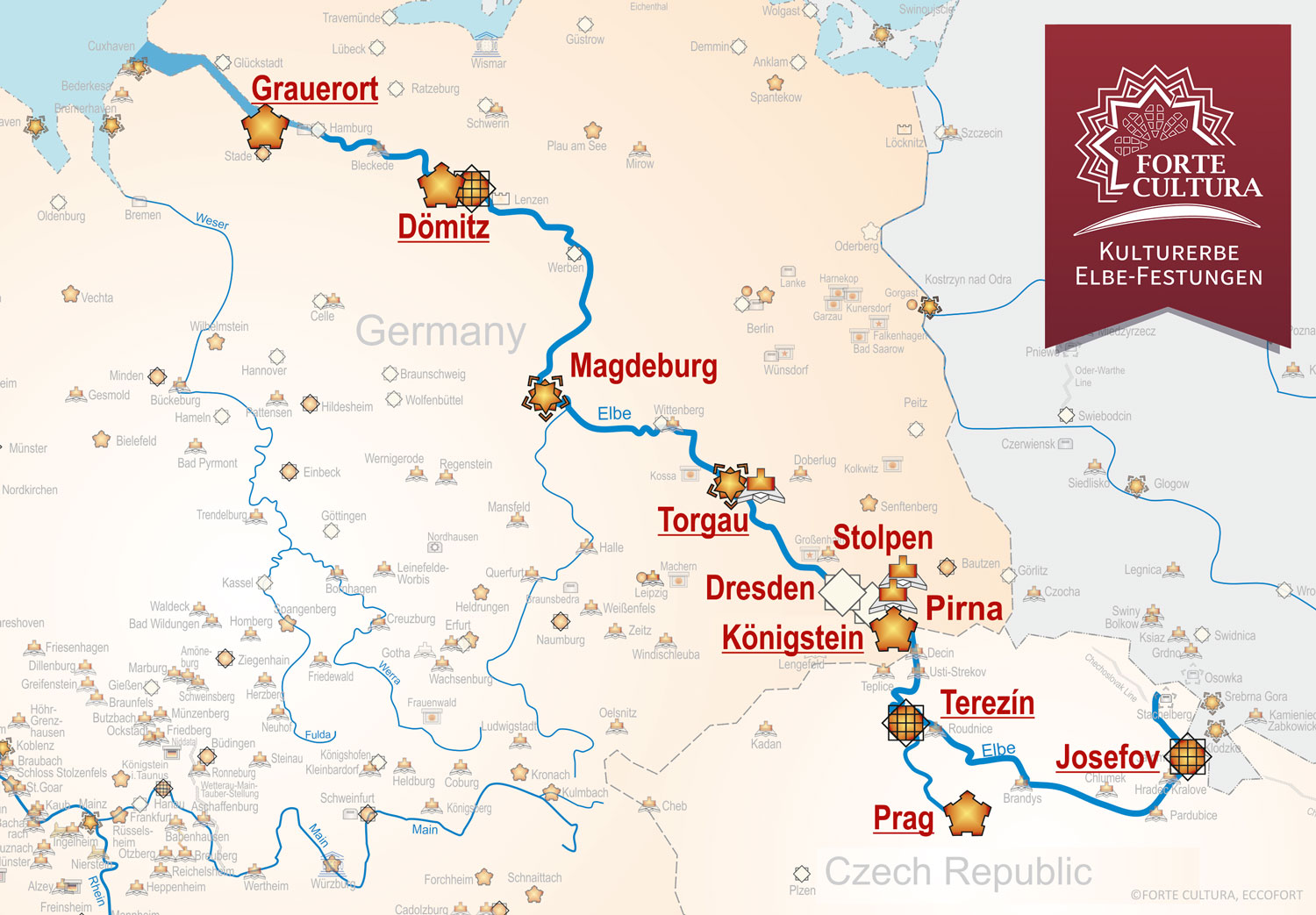
From its source in the Czech Giant Mountains to its mouth in the North Sea near Cuxhaven, the Elbe river connects 1091 kilometres of magnificent cultural landscapes.
Conquer the FORTE CULTURA Elbe fortresses and discover the region from a new perspective.
Wenn du dies siehst, nachdem deine Seite vollständig geladen wurde, fehlen leafletJS-Dateien.
 Deutsch
  English (UK)
  Français
  Italiano
  Polski
  Español
Schreibe einen Kommentar